Biomedical Technician Student

Biomedical Clinical Equipment Technician

Certificate Technical Degree

Are you good with technology and like working with your hands? If so, a career in Biomedical Equipment Repair Technology might be right for you. This job focuses on fixing and maintaining medical equipment. It allows you to use your technical skills to help the healthcare industry and improve patient care.

Why Choose Biomedical Clinical Equipment Technology?

Biomedical repairman

Work with essential medical technology

Gain hands-on experience working with clinical equipment such as patient monitors, defibrillators, medical imaging systems, and other diagnostic devices. You’ll learn how these critical systems function and how they support safe, effective patient care.
Repariman working on equipment.

Develop In-Demand Technical Skills

Build expertise in electronics, testing, calibration, preventive maintenance, and troubleshooting. Train in labs that mirror real healthcare environments. You’ll practice diagnosing issues and restoring equipment to proper working condition.
Woman working on medical equipment.

Step Into a High-Demand Healthcare Career

As medical technology continues to advance, healthcare providers need skilled technicians to ensure equipment works properly. Graduates can find opportunities in hospitals, clinics, and medical service organizations.
Man studying computer board.

Advance Your Career with CBET Certification

After earning your associate degree and gaining work experience, you may qualify for the Certified Biomedical Equipment Technician (CBET) credential. Offered by the Association for the Advancement of Medical Instrumentation (AAMI), this nationally recognized certification demonstrates your expertise and supports long-term career growth.

Careers

Medical Equipment Repairer
 $62,025

 Opportunities

To become a Certified Biomedical Equipment Technician (CBET), you need an associate degree from a biomedical technician school (like San Jac) and at least two years of work experience. The Association for the Advancement of Medical Instrumentation (AAMI) certifies these professionals.

Biomedical equipment repair technicians can work in many places, like hospitals, clinics, research centers, or companies that make medical equipment.

 Locations

Salary Source: Texas Wages

DEGREES & CERTIFICATES

Biomedical Clinical Equipment Technician, AAS

Technical Degree
The Associate of Applied Science degree prepares you for a career in biomedical clinical equipment technology. You’ll learn the fundamentals of computer and electronics systems used in modern medical equipment. Through hands-on training, you’ll develop the skills needed to test, calibrate, maintain, repair, and replace components to ensure equipment operates safely and reliably.
Length 2 Years
If you're studying full-time, you can complete the 60 credits for this program in five terms, including a summer term.

Biomedical Clinical Equipment Technician, Certificate of Technology

Certificate
The Certificate of Technology prepares you to continue into the degree program or advance in your current career. As medical technology continues to evolve, you’ll build both theoretical knowledge and practical skills while learning to work with specialized biomedical equipment. This stackable certificate applies directly toward the Associate of Applied Science (AAS) degree.
Length 1 Year
If you're studying full-time, you can complete the 33 credits for this certificate in three terms, including a summer term.

Biomedical Clinical Equipment Technician, Level 2 Certificate

Certificate
The Level 2 Certificate prepares you to continue into the degree program or advance in your current career. You’ll strengthen your technical skill set while staying current with the latest advances in medical equipment technology. The program also offers the opportunity to complete an internship for real-world experience. This stackable certificate leads directly to the Associate of Applied Science (AAS) degree.
Length 1.5 Years
If you're studying full-time, you can complete the 45 credits for this certificate in four terms, including a summer term.

Biomedical Clinical Equipment Technician, Occupational Certificate

Certificate
The Occupational Certificate prepares you to continue into the Associate of Applied Science (AAS) degree, Certificate of Technology program, or to advance in your current career. You’ll build a strong foundation in medical equipment, computer systems, and electronics operation and repair. This stackable certificate applies directly toward the Associate of Applied Science (AAS) degree.
Length 3 Months
If you're studying full-time, you can complete the 15 credits for this certificate in one term.

CAREER TRACKS

The content below shows a flowchart of the career tracks.

Stackable Credentials

Not sure if you are ready to jump right into the AAS degree? Start with the Occupational Certificate to build a solid foundation in medical equipment operation and repair. Progress through the Certificate of Technology and Level 2 Certificate to gain specialized expertise and internship opportunities. These credentials will lead directly to the Associate of Applied Science (AAS) degree. 

Applying to San Jac

Sounds great, but how do I apply?

Ready to take the first step toward an exciting future? It’s time to apply to San Jac. We’ll guide you through the process and help you start building your future, today.

Your Questions Answered

Big decision, simple answers. Let’s clear it up.

You’ll work with the same equipment used every day in hospitals and clinics. This includes patient monitors, defibrillators, infusion pumps, ventilators, and medical imaging systems.

In the program, you’ll learn how to test, calibrate, inspect, repair, and maintain these critical devices to ensure they operate safely and reliably. You’ll also gain experience in inventory control and learn how to train healthcare staff on proper equipment use.

San Jac offers three certificate options within the Biomedical Clinical Equipment Technician program: the Occupational Certificate, the Certificate of Technology, and the Level 2 Certificate.

Each certificate builds your technical knowledge and hands-on skills in electronics and medical equipment technology. As you progress, you’ll gain experience testing, repairing, calibrating, and maintaining medical equipment used in health care settings.

These certificates are stackable, meaning the coursework applies toward the Associate of Applied Science (AAS) degree. This flexible pathway allows you to earn credentials along the way, enter the workforce sooner if desired, and continue advancing your education.

No. The program is designed for learners who want to build technical skills from the ground up. You’ll gain both foundational knowledge and hands-on experience working with real clinical equipment.

Graduates commonly work in the following locations:

  • hospitals
  • outpatient clinics
  • surgical centers
  • rehabilitation facilities
  • medical device service companies
  • equipment manufacturers
Yes. You’ll spend significant time in labs practicing installation, calibration, testing, and troubleshooting of clinical equipment. The same skills needed on the job.

To earn the Certified Biomedical Equipment Technician (CBET) credential, you must meet eligibility requirements and pass a certification exam. The credential is offered through Association for the Advancement of Medical Instrumentation (AAMI).

Typically, candidates qualify by completing an associate degree in biomedical equipment technology, such as the program at San Jac. They must also gain at least two years of work experience in the field. Once eligible, candidates must pass a comprehensive exam that tests their knowledge of electronics, anatomy and physiology, safety standards, and medical equipment systems.

Earning the CBET credential demonstrates professional competency and can enhance career advancement opportunities.

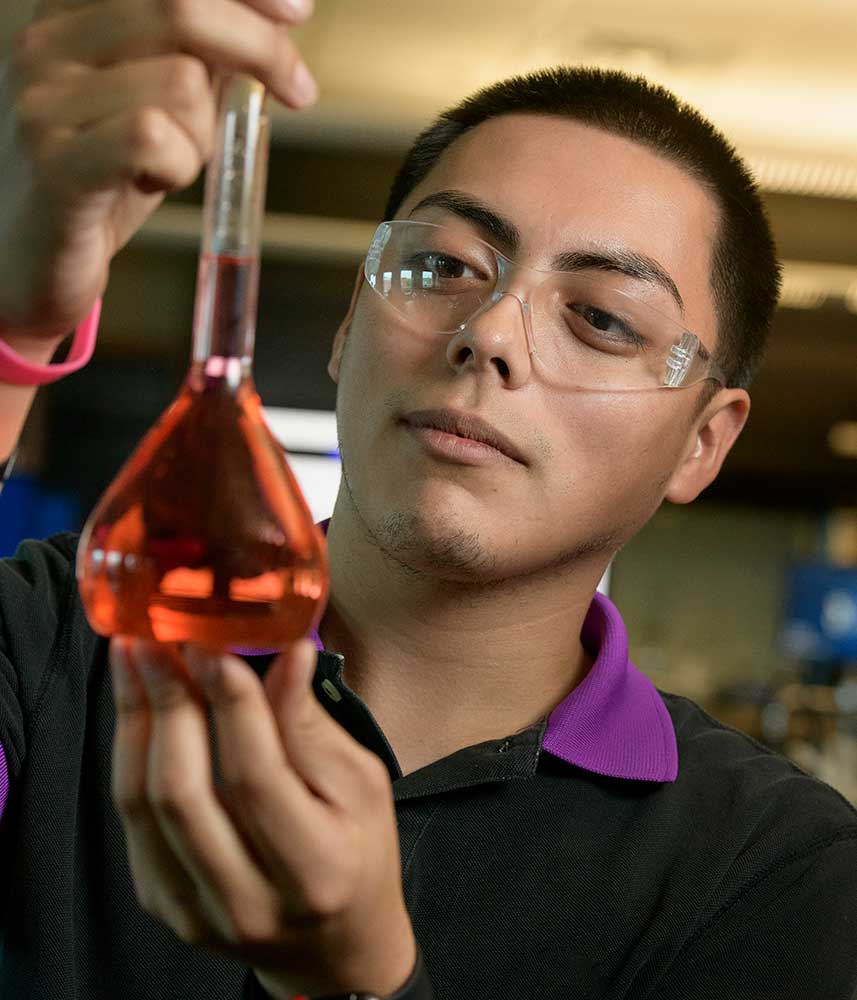
Student in science lab

Related Programs

See What Else is Out There
Did you know we have over 200 programs and certificates to choose from? You might not be looking for a biomedical clinical equipment technician school, but maybe one of these programs will interest you.

Have Questions?

Want to learn more about our biomedical technician school? Please reach out to our staff with any questions!

For general questions, please contact us at 281-998-6150.

Hasan Aziz
Adjunct Faculty
Phone
(281) 998-6150x3485
Location
South
Otto Barsch
Adjunct Faculty
Phone
(281) 998-6150x3452
Location
South
Michael Brown
Prof, Biomedical Equip Tech
Phone
(281) 922-3485
Location
South